Preparing for retirement involves more than saving money throughout your working years. You also need a plan for turning those savings into income that can support your lifestyle after you stop working.
For many people approaching retirement, one of the biggest questions is how to cover everyday expenses while accounting for healthcare costs, inflation, taxes, and unexpected financial needs. Without a clear strategy, it can be difficult to know how much you can comfortably spend or how long your savings may last.
For individuals and families in Blacksburg, VA, retirement income planning can help bring these questions into focus. By evaluating your expected income sources, expenses, savings, and long-term goals, you can build a more informed approach to managing your finances during retirement.
Midtown Financial helps individuals explore financial planning considerations related to retirement and their broader financial goals. Understanding the components of a retirement income plan can help you prepare for the next stage of life.
1. Estimate Your Retirement Expenses
Before deciding how much income you will need, start by estimating what your retirement lifestyle may cost.
Some expenses may decrease when you stop working, such as commuting or work-related costs. Other expenses may remain steady or increase, including housing, healthcare, travel, and leisure activities.
Begin by reviewing your current spending and identifying which costs are likely to change after retirement.
Consider the following categories:
- Housing: Mortgage payments, rent, property taxes, insurance, utilities, and maintenance.
- Food and household expenses: Groceries, dining out, personal care, and everyday purchases.
- Healthcare: Insurance premiums, prescriptions, medical appointments, and potential out-of-pocket costs.
- Transportation: Vehicle payments, fuel, maintenance, and other travel expenses.
- Lifestyle activities: Hobbies, vacations, entertainment, and family activities.
- Unexpected costs: Home repairs, family support, and other unplanned expenses.
Your expected expenses will depend on your circumstances and retirement goals. Someone planning extensive travel may need a different income strategy from someone who expects to remain close to home.
Creating a realistic budget gives you a starting point for evaluating whether your expected income sources may be sufficient.
2. Identify Your Expected Retirement Income Sources
Retirement income often comes from several sources rather than a single account.
Understanding where your money will come from can help you identify potential gaps between your expected income and expenses.
Common retirement income sources include:
Social Security Benefits
Social Security can provide an important source of retirement income for eligible individuals. Your benefit amount depends on factors such as your earnings history and the age at which you begin claiming benefits.
The decision about when to claim can affect your monthly benefit, so it is worth reviewing your options before making a decision.
You can use the Social Security Administration's official resources to review your earnings record and obtain estimates based on your circumstances.
Employer-Sponsored Retirement Plans
Retirement savings in plans such as 401(k)s may provide another source of income. Your available balance, investment allocation, withdrawal decisions, and plan rules will influence how you use these assets during retirement.
Reviewing your account balances and understanding applicable withdrawal requirements can help you plan more effectively.
Individual Retirement Accounts
Traditional and Roth IRAs may provide additional retirement resources. Their tax treatment and withdrawal rules differ, so the details of each account matter when developing an income strategy.
Pensions and Other Income
Some retirees receive pension payments, rental income, or other recurring income. If you expect income from these sources, include it in your retirement calculations.
Combining these estimates can help you understand how much of your anticipated spending may be covered before drawing additional funds from savings or investments.
3. Determine How Much You May Need to Withdraw From Savings
After estimating your expenses and identifying your expected income, evaluate whether there may be a shortfall.
For example, suppose your estimated retirement expenses are $5,000 per month and your expected recurring income is $3,500 per month. You would need to plan for the remaining $1,500 per month from other resources, subject to taxes and the actual timing of your income and expenses.
This simple example is only a starting point. A comprehensive plan should account for variable expenses, taxes, investment returns, inflation, and the possibility that spending needs will change over time.
It is also important not to assume that a single withdrawal percentage will work for everyone. The sustainability of withdrawals depends on factors such as your age, portfolio composition, retirement duration, market performance, and other sources of income.
A retirement income plan can help you evaluate different spending and withdrawal scenarios before deciding how to use your savings.
4. Account for Inflation and Rising Costs
The amount of money you need today may not cover the same expenses in the future.
Inflation gradually reduces purchasing power, meaning that everyday expenses can become more expensive over time. Even relatively modest annual increases can make a difference over a retirement that lasts several decades.
When preparing your retirement budget, consider how costs may change for:
- Groceries and household supplies.
- Utilities and housing maintenance.
- Insurance premiums.
- Healthcare and prescription medications.
- Travel and recreational activities.
Your plan should also account for the possibility that different expenses will increase at different rates.
Although no one can predict future inflation precisely, including inflation assumptions in your projections can help you avoid relying entirely on today's spending estimates.
Reviewing your plan periodically allows you to adjust your expectations as prices, income sources, and personal circumstances change.
5. Understand How Taxes Can Affect Retirement Income
Retirement income may come from accounts and benefits that receive different tax treatment.
For example, withdrawals from traditional tax-deferred retirement accounts are generally taxable as ordinary income, while qualified Roth IRA distributions are generally tax-free under applicable rules. Social Security benefits may also be taxable depending on your overall income and circumstances.
These differences can affect how much money you actually have available to spend.
When planning withdrawals, consider the potential interaction between:
- Traditional retirement account distributions.
- Roth account withdrawals.
- Social Security benefits.
- Pension income.
- Taxable investment income.
- Required minimum distributions, where applicable.
The order and timing of withdrawals may influence your overall tax situation. However, the appropriate strategy depends on your individual circumstances and applicable tax rules.
A qualified tax professional can help you understand the tax implications of your retirement income decisions, while a financial planning professional can help you evaluate how those decisions fit into your broader financial strategy.
6. Evaluate Whether Annuities Fit Your Retirement Goals
Some retirees explore annuities as part of their retirement income strategy.
An annuity is a contract issued by an insurance company. Depending on the product, it may provide payments over a specified period or for the life of an individual, subject to the contract's terms.
Certain annuities are designed to provide a predictable income stream, which may appeal to people who want to cover selected recurring expenses.
However, annuities vary considerably. Some include fees, surrender charges, restrictions on access to funds, or features that may not be suitable for every investor. Guarantees are subject to the financial strength and claims-paying ability of the issuing insurance company.
Before considering an annuity, evaluate:
- The type of income or benefit the contract provides.
- Fees, expenses, and surrender provisions.
- Access to your money and available liquidity.
- Inflation protection, if offered.
- Survivor or beneficiary provisions.
- How the contract fits with your other retirement assets.
Annuities are not necessary for every retirement plan. Comparing their benefits, costs, and limitations with other available approaches can help you determine whether a particular product is appropriate for your goals.
7. Prepare for Healthcare and
Long-Term Care Costs
Healthcare is an important consideration when estimating retirement expenses.
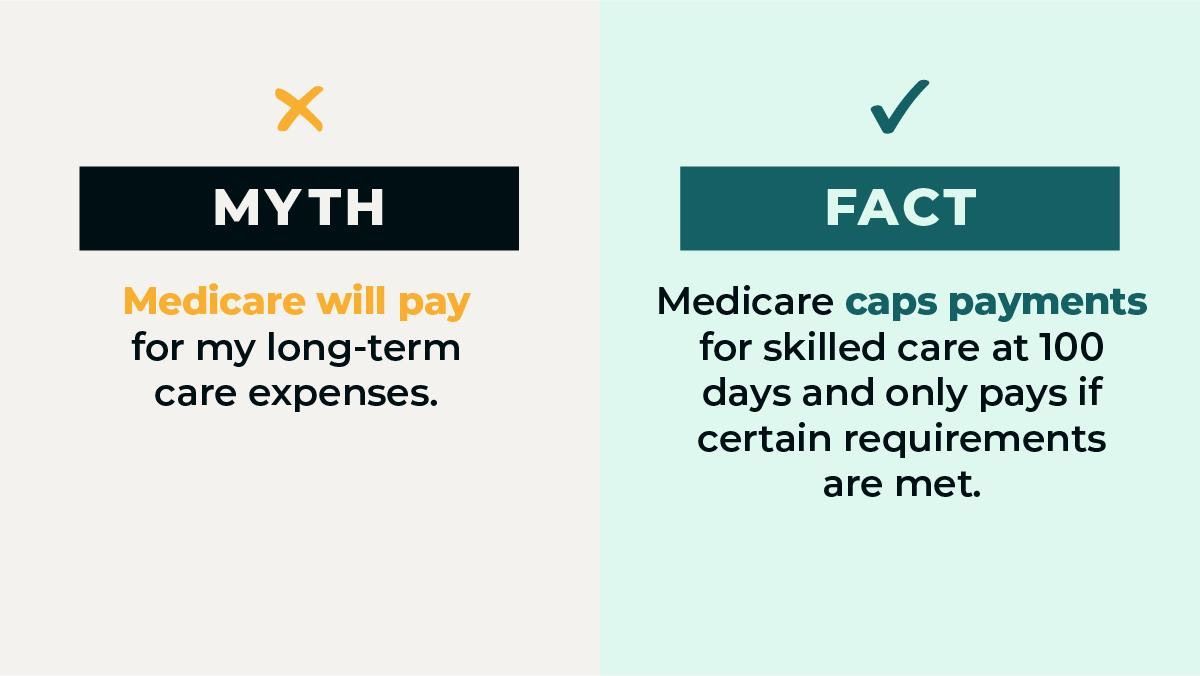
Medicare provides health coverage for eligible individuals, but it does not cover every healthcare expense. Premiums, deductibles, copayments, prescription costs, and certain services may require additional planning.
Long-term care is another potential expense. Depending on an individual's needs, care may involve in-home assistance, community-based services, or residential care.
Not everyone will need the same level of care, and future costs are difficult to predict. However, considering these possibilities can help you evaluate whether your retirement plan has enough flexibility to accommodate changing needs.
You may want to review your anticipated Medicare costs, available insurance coverage, savings, and potential sources of support.
Planning for healthcare does not mean assuming the worst. It means acknowledging that medical and care-related expenses may change and considering how you would manage them if they arise.
8. Protect Your Retirement Plan From Unexpected Changes
Retirement can last many years, and your financial circumstances may change along the way.
Market fluctuations, unexpected repairs, family obligations, and changes in personal priorities can all affect how you use your money.
Maintaining some financial flexibility can help you respond to these changes without immediately disrupting your long-term plans.
Consider the following planning steps:
Maintain an appropriate cash reserve. Accessible savings may help cover short-term expenses without requiring you to sell investments at an unfavorable time.
Review your investment allocation. Your investment strategy should reflect your goals, time horizon, financial resources, and tolerance for risk.
Evaluate insurance and protection needs. Consider whether your existing coverage and broader financial arrangements continue to meet your needs.
Keep beneficiary information current. Review beneficiary designations on applicable accounts and insurance policies after major life changes.
Revisit your plan regularly. Changes in spending, income, family circumstances, and market conditions may warrant adjustments.
A retirement income strategy should be flexible enough to accommodate reasonable changes while keeping your long-term objectives in view.
Build a Retirement Income Strategy With Midtown Financial
A retirement income plan can help you connect your savings, expected benefits, expenses, and long-term financial goals.
By estimating your spending, reviewing potential income sources, considering taxes and inflation, and evaluating ways to manage uncertainty, you can make more informed decisions about how to use your resources throughout retirement.
Midtown Financial serves individuals and families in Blacksburg, VA, and surrounding communities who are evaluating their financial goals and retirement planning needs.
Whether retirement is approaching or still several years away, reviewing your expected income and expenses can help you identify questions to address before making important financial decisions.
Ready to take a closer look at your retirement goals?
Contact Midtown Financial to discuss your financial planning needs and explore your retirement income planning options.