Planning for retirement involves more than estimating how much money you will need for everyday living expenses. It also means considering how your financial situation could change if you eventually need help with daily activities, ongoing support, or specialized care.
Long-term care expenses can affect retirement savings, household cash flow, and the financial plans you have made for your family. Because future care needs and costs are difficult to predict, preparing early can give you more time to understand your options.
For individuals and families in Blacksburg, VA, long-term care planning can be an important part of a broader retirement strategy. Midtown Financial helps clients explore financial planning considerations, including extended care planning, asset protection, and retirement-related needs.
Here are several steps to consider when preparing for potential long-term care expenses.
1. Understand What Long-Term Care May Include
Long-term care generally refers to assistance people may need when they cannot independently manage certain daily activities or require ongoing supervision because of a health-related condition.
The type of support needed varies from person to person. Some individuals may need occasional help at home, while others may eventually require more extensive assistance.
Potential care arrangements include:
- In-home assistance: Help with certain daily activities while remaining at home.
- Adult day services: Structured daytime support and supervision.
- Assisted living: Residential settings that provide varying levels of personal assistance.
- Nursing facility care: More extensive care and support for people whose needs require that setting.
- Family-provided care: Assistance from relatives, sometimes combined with paid services.
These arrangements differ in availability, services, and cost. The right option depends on individual circumstances, care needs, preferences, and the support available from family or other caregivers.
Considering these possibilities early can help you understand which types of care you may want to plan for and how they could affect your finances.
2. Evaluate How Care Expenses Could Affect Your Retirement Budget
One of the first steps in long-term care planning is understanding how future care costs might fit into your overall retirement budget.
Your regular retirement expenses may include housing, food, utilities, transportation, insurance, travel, and other personal needs. If you eventually require ongoing assistance, those expenses may increase or change.
Consider reviewing your financial situation to identify:
- Your expected retirement income.
- Your current savings and investment assets.
- Your essential monthly expenses.
- Existing insurance coverage.
- Financial obligations to dependents or family members.
- Potential resources available for future care.
It can be useful to consider several scenarios rather than relying on one estimate.
For example, compare how your budget might look if you needed occasional in-home assistance versus a more extensive level of ongoing care.
The purpose is not to predict exactly what will happen. Instead, scenario planning can help you identify potential gaps and understand how different care needs could affect your long-term financial goals.
3. Review Your Potential Sources of Funding
There is no single way to pay for long-term care. Depending on your circumstances, future expenses may be funded through a combination of personal resources, insurance, and programs for which you qualify.
Potential resources to evaluate include:
- Personal savings and investments: Existing assets may provide flexibility, but using them for care can affect other retirement goals.
- Retirement income: Pension payments, Social Security benefits, and withdrawals from retirement accounts may contribute to the household budget, subject to the individual's circumstances and applicable rules.
- Long-term care insurance: Depending on the policy, coverage may help pay for certain eligible services when its benefit requirements are met.
- Life insurance or other financial products: Some products may offer features relevant to care planning, depending on their terms and suitability.
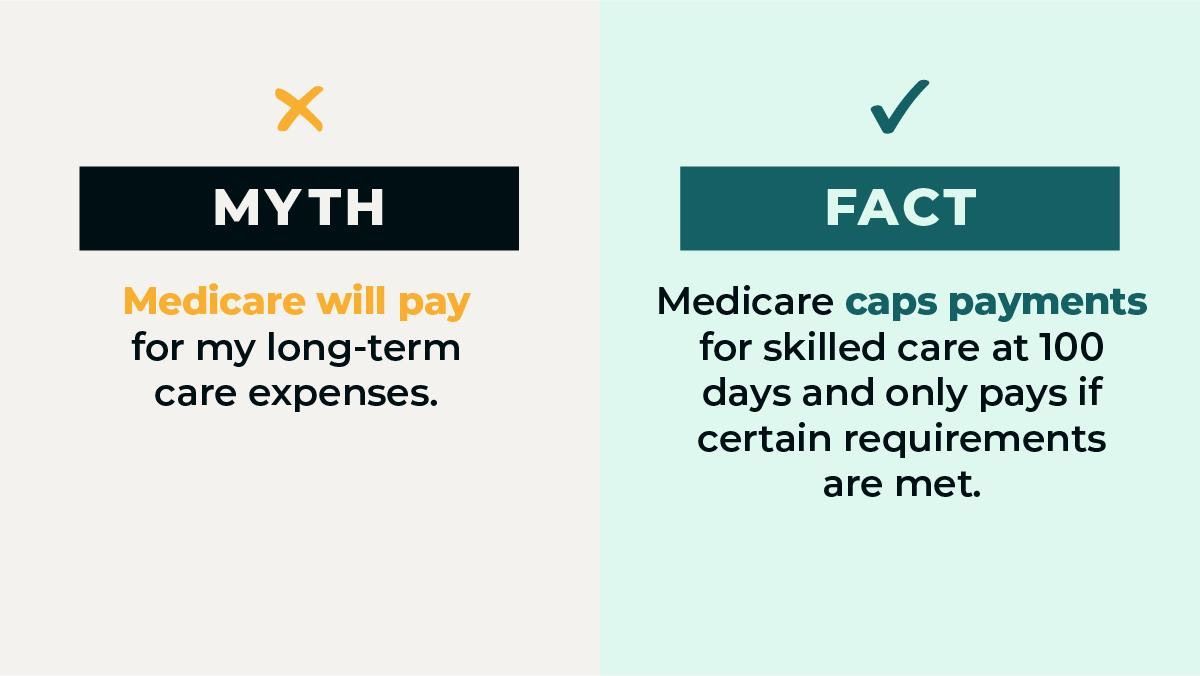
- Government programs: Certain public programs may help eligible individuals pay for specific services. Eligibility, covered services, and financial requirements vary.
Each funding source has different limitations and implications. For example, an insurance policy may have waiting periods, benefit limits, exclusions, or eligibility requirements.
Review the details carefully rather than assuming a particular resource will cover every future care expense.
4. Understand How Long-Term Care Insurance Works
Long-term care insurance is one option worth evaluating when developing a care funding strategy.
Policies vary in the benefits they provide, the services they cover, and the conditions that must be met before benefits become available.
When reviewing a policy, consider:
- The daily or monthly benefit amount.
- The maximum benefit period or total benefit limit.
- The elimination period before benefits begin.
- The services and care settings covered.
- Inflation protection provisions, if offered.
- Premium costs and the possibility of future increases.
- Policy exclusions and benefit eligibility requirements.
It is also important to understand how the policy defines the need for care and what documentation may be required to qualify for benefits.
Insurance availability and pricing depend on factors such as age, health, coverage selection, and insurer underwriting.
Long-term care insurance is not automatically the right choice for everyone. Compare the policy's potential benefits and costs with your available resources, financial goals, and other planning options.
A qualified insurance or financial professional can help you evaluate the trade-offs and understand the terms before making a decision.
5. Consider How Care Planning Relates to Asset Protection
Many people spend years building savings, investment portfolios, and other assets to support retirement and provide financial security for their families.
Potential long-term care expenses can affect how those assets are used over time.
Asset protection planning involves evaluating how to manage financial resources in light of potential risks, future obligations, and personal goals. In the context of extended care, this may include reviewing available funding sources, insurance options, and the relationship between care expenses and other financial priorities.
Questions to consider include:
- How much of your savings could you reasonably allocate toward care?
- Which assets are intended to support your spouse or other dependents?
- Could substantial care expenses affect your retirement income strategy?
- Do your existing financial arrangements reflect your current goals?
- Are there legal or tax considerations that require specialized advice?
Asset protection strategies can have important legal, tax, and eligibility implications. Some arrangements may be unsuitable depending on your circumstances or could affect access to certain benefits.
Consult an appropriately qualified legal or tax professional when a decision involves estate planning, government benefit eligibility, or complex asset transfers.
Planning ahead allows you to evaluate these issues carefully rather than making major decisions during a stressful period.
6. Include Your Spouse and Family in the Discussion
Long-term care needs can affect more than the person receiving care. They may also affect a spouse, relatives, or others who provide financial or practical support.
Discussing preferences and expectations early can help family members understand your priorities.
Consider talking about:
- Whether you would prefer to remain at home if possible.
- Who might help coordinate care.
- How family members could participate in decisions.
- What financial resources may be available.
- Which arrangements would be difficult for the household to sustain.
- Who should be contacted if your needs change.
These conversations do not require you to make every decision immediately. Their purpose is to establish a starting point and reduce uncertainty for the people who may eventually help.
You may also want to organize important financial records, insurance information, and relevant legal documents so that trusted individuals know where to find them when appropriate.
Clear communication can make it easier to coordinate financial planning and future care preferences.
7. Coordinate Long-Term Care Planning With Your Retirement Strategy
Long-term care planning should not be considered separately from your broader retirement plan.
Your retirement strategy may already account for income needs, investment allocation, taxes, insurance, and estate planning. Future care expenses could affect several of these areas.
For example, using investment assets to pay for care may change your portfolio balance and the amount available to support other goals. Insurance premiums may affect your current budget, while future benefits may influence how you plan to use other resources.
Consider reviewing your care strategy alongside your:
- Retirement income plan.
- Investment and savings strategy.
- Insurance coverage.
- Asset protection arrangements.
- Estate planning documents.
- Family financial responsibilities.
Reviewing these elements together can help identify conflicts and opportunities to adjust your approach.
Your plan should also be revisited as your circumstances change, such as when you retire, experience a major change in income, or update your family and financial priorities.
8. Start Planning Before You Need Care
One of the most useful steps is to begin the discussion while you still have time to evaluate different options.
Waiting until care is immediately needed may leave fewer opportunities to compare arrangements, review insurance options, or coordinate financial decisions.
An early planning process might include:
- Reviewing your current retirement resources.
- Learning about the types of care that may be available.
- Estimating how different care scenarios could affect your budget.
- Evaluating insurance and other funding options.
- Discussing preferences with family members.
- Identifying legal or tax questions that require professional advice.
- Scheduling periodic reviews of your plan.
You do not need to resolve every question at once. Beginning with a financial review and identifying the areas that need attention can help you develop a more organized approach.
The goal is to make informed decisions based on your circumstances rather than relying on assumptions about future needs.
Plan Ahead With Extended Care Planning in Blacksburg, VA
Preparing for possible long-term care expenses can help you understand how future care needs may affect retirement savings, household income, and the financial goals that matter to you.
A thoughtful approach includes reviewing available resources, understanding insurance options, considering asset protection, and discussing future care preferences with the people who may be involved.
There is no universal solution. The appropriate strategy depends on your financial position, family circumstances, care preferences, and the options available to you.
Midtown Financial helps individuals and families in Blacksburg, VA, explore financial planning considerations, including extended care planning, retirement planning, and asset protection.
Ready to review your future care planning options? Contact Midtown Financial to discuss how extended care considerations may fit into your broader financial plan.